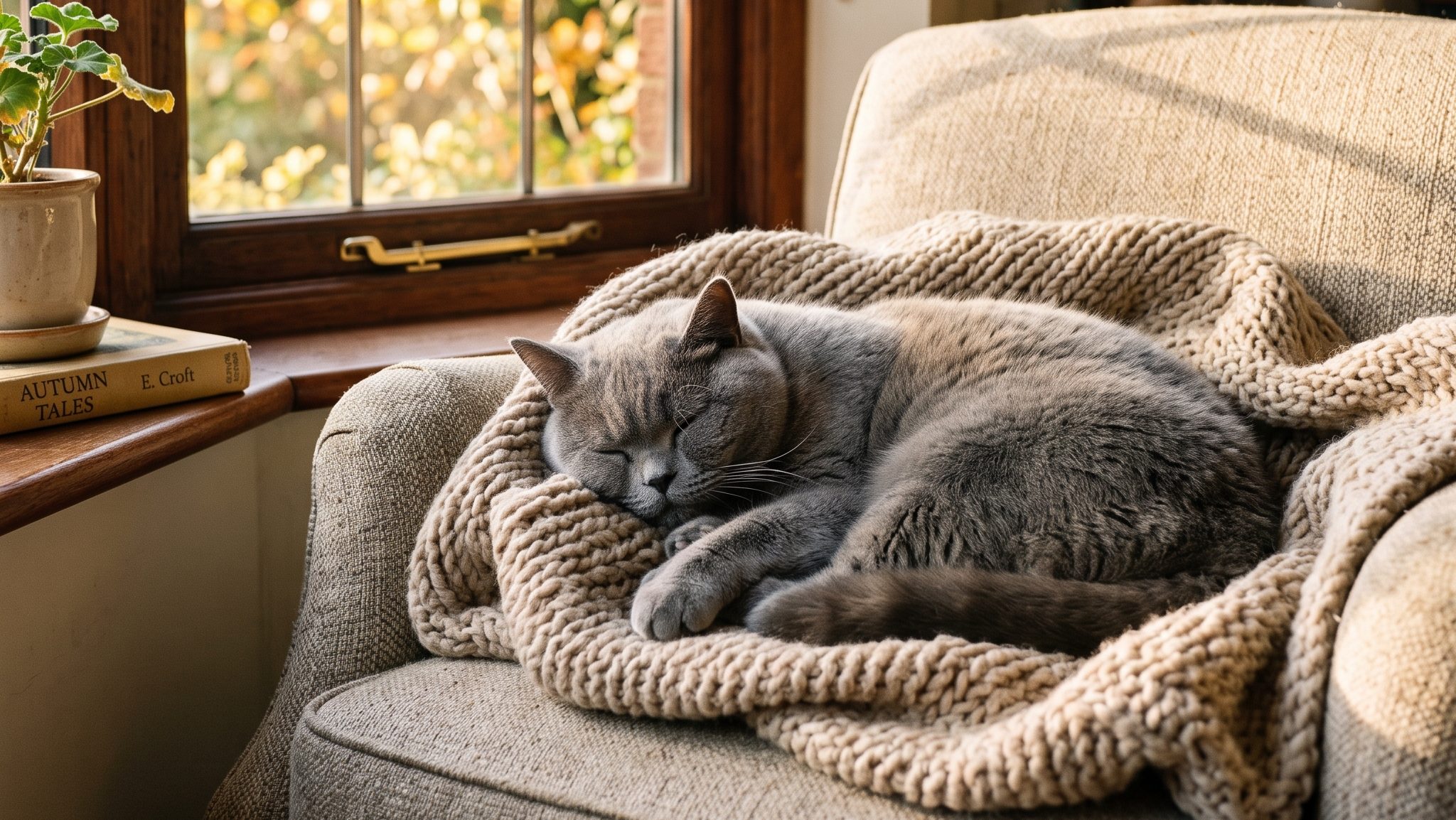
After years of looking after cats across Worcester and Droitwich, I’ve learned that understanding feline body language isn’t just helpful—it’s essential. I remember one particular visit early in my cat sitting career where a usually friendly tabby named Petit greeted me at the door with flattened ears and a low, twitching tail. Instead of rushing in for our usual hello, I gave him space. Turns out there’d been building work next door that morning, and he was stressed. That single moment taught me that cats are constantly communicating—we just need to learn their language.
Whether you’re a seasoned cat owner or new to the feline family, recognizing what your cat is telling you can strengthen your bond, prevent scratches, and help you respond to their needs more effectively. Let’s break down the key signals your cat uses to communicate.

The Tail Tells All
Your cat’s tail is perhaps their most expressive feature, and understanding its positions can tell you volumes about their mood.
High and upright – This is the feline equivalent of a cheerful wave. A tail held high, especially with a slight curve at the tip, means your cat is confident, happy, and pleased to see you. This is the greeting I hope to see when I arrive for visits!
Puffed up (bottlebrush tail) – This is a clear sign of fear or aggression. Your cat is trying to appear larger to ward off a perceived threat. Give them space and time to calm down.
Low or tucked under – A lowered or tucked tail indicates fear, submission, or anxiety. Your cat is feeling uncertain or threatened.
Twitching or thrashing – Unlike dogs, a wagging cat tail doesn’t mean happiness. Quick movements or thrashing indicates irritation or overstimulation. This is your warning that petting time is over!
Wrapped around you – When a cat wraps their tail around your leg or arm, it’s their version of a hug—a sign of affection and trust.

Ears: The Mood Indicators
Cat ears are incredibly mobile and their position is a reliable mood indicator.
Forward-facing and upright – Your cat is alert, curious, and engaged. This is a relaxed, positive state.
Turned to the side (airplane ears) – Your cat is feeling anxious or uncertain. They’re monitoring their environment for potential threats.
Flattened back against the head – This is a defensive or aggressive posture. Your cat is either frightened or preparing to defend themselves. Do not approach a cat with flattened ears.
Rotating independently – Cats can move each ear independently, which they do when listening to different sounds. This usually just means they’re processing their environment.

Eyes: Windows to Their Feelings
The eyes can tell you a great deal about how comfortable and trusting your cat feels.
Slow blinks – This is perhaps the most endearing signal. When a cat slowly closes and opens their eyes while looking at you, they’re showing trust and affection. You can “blink back” to communicate the same!
Dilated pupils – Large, dark pupils can indicate excitement, playfulness, fear, or aggression. Context is key here—playful pouncing looks different from defensive posturing.
Constricted pupils – Very narrow pupils often indicate aggression or intense focus, particularly if accompanied by other tense body language.
Direct stare – In cat language, staring can be confrontational. If a cat stares without blinking, they may be feeling threatened or challenging.

Body Posture: Reading the Big Picture
How your cat holds their entire body provides crucial context for all the other signals.
Relaxed and loose – A cat lying on their side or back with a soft, loose body is completely comfortable and trusting. Belly exposure is the ultimate sign of trust, though not always an invitation to touch!
Crouched low with tense muscles – This defensive posture means your cat is ready to flee or fight. They’re feeling threatened.
Arched back – Often seen with the bottlebrush tail, an arched back makes your cat appear larger. This is a defensive position when they’re frightened.
Rolling over – When cats roll onto their backs in front of you, it’s a sign of trust and comfort, though some cats also do this when they’re feeling playful.

Vocal Cues: Listen to What They’re Saying
While not strictly body language, vocalizations often accompany physical signals and provide important context.
Purring – Usually contentment, though cats also purr when anxious or unwell (self-soothing).
Meowing – Adult cats primarily meow to communicate with humans. The tone and persistence tell you whether they’re greeting you, demanding something, or complaining.
Hissing or growling – Clear warning signals. Your cat wants whatever is bothering them to back off.
Chirping or chattering – Often directed at birds or prey animals outside, this excited sound indicates your cat’s hunting instincts are engaged.

Red Flags: When to Give Space
Certain combinations of body language signals tell you to back off immediately:
- Flattened ears + dilated pupils + twitching tail = overstimulated or aggressive
- Low crouch + growling + direct stare = preparing to attack or defend
- Puffed tail + arched back + hissing = frightened and defensive
In my work, respecting these signals has prevented countless scratches and helped me build trust with even the most nervous cats.
Putting It All Together
The key to understanding cat body language is reading multiple signals together, not in isolation. A twitching tail might mean irritation during petting, but excitement during play. Context matters enormously.
The more time you spend observing your cat, the better you’ll become at reading their unique communication style. Every cat has their own personality, and some are more expressive than others. Pay attention to patterns, respect their boundaries, and you’ll develop a deeper understanding of what your feline friend is telling you.
Remember: when in doubt, give your cat space and let them come to you. Respecting their communication is the foundation of a trusting relationship.
Meow-tastic regards,
Adam